What is energy efficiency?
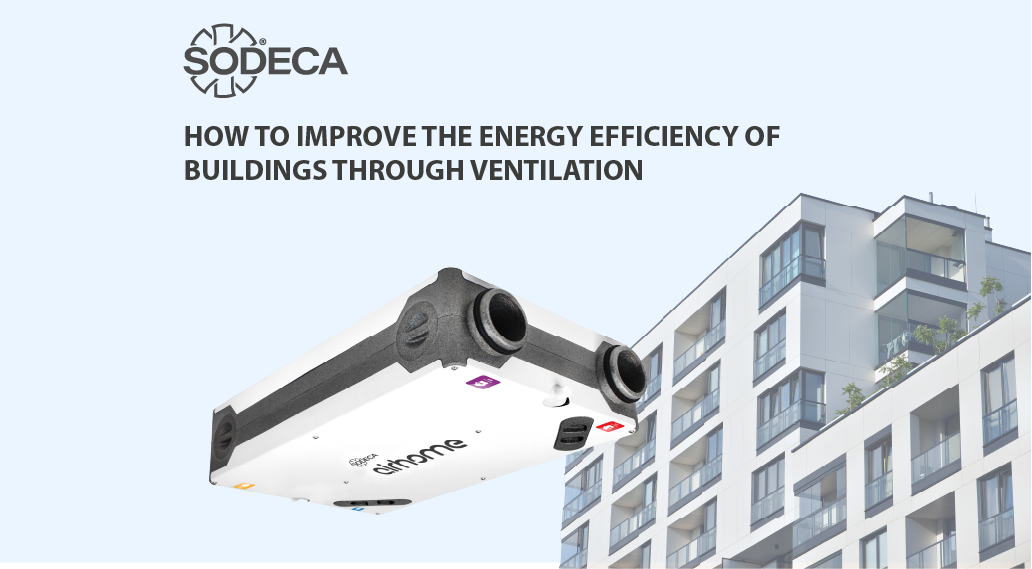
When we talk about energy efficiency, we often think about reducing energy consumption. However, achieving truly energy-efficient buildings also requires ensuring good indoor air quality. Ventilation plays a decisive role in this balance, as it provides controlled air renewal, minimises energy losses and improves the overall energy performance of the building.
Why does ventilation influence a building's energy efficiency?
Ventilation ensures good indoor air quality, removes airborne pollutants and maintains comfortable and healthy conditions inside buildings.
Solutions such as Mechanical Ventilation with Heat Recovery (MVHR) help reduce the energy consumption associated with heating and cooling without compromising indoor air quality. Through a heat exchanger, these systems recover thermal energy from the extracted air to preheat or precool the incoming outdoor air, reducing the heating and cooling demand.
The use of high-efficiency fans and control systems that adjust operation to the actual ventilation demand helps minimise the electrical consumption of the installation during operation.
Efficient ventilation is therefore not simply about renewing indoor air but about doing so in a controlled manner while using the minimum amount of energy possible. This contributes to improving the overall energy performance of the building and meeting today's energy efficiency and sustainability requirements.
Key regulations on energy efficiency
The growing demand for energy-efficient buildings has positioned ventilation as a key element in reducing energy consumption while maintaining occupant comfort and indoor air quality.
Energy efficiency is one of the European Union's main priorities and is reflected in the Spanish regulatory framework through the Technical Building Code (CTE) and the Regulation on Thermal Installations in Buildings (RITE), two of the main regulations governing building design and operation.
Both regulations establish requirements that affect the design, selection and operation of ventilation systems, with the aim of delivering buildings that are more energy efficient, healthier and better aligned with current sustainability requirements.
- Energy Performance of Buildings Directive (EPBD)
The Energy Performance of Buildings Directive (EPBD) is the main European reference framework for energy efficiency in buildings. It establishes a common framework for improving the energy performance of buildings across the European Union.
Its latest revision promotes the decarbonisation of the building stock, encourages energy-efficient renovation and supports the development of buildings with very low energy consumption.
- Spanish Technical Building Code (CTE)
In Spain, the Technical Building Code (Código Técnico de la Edificación – CTE) establishes the basic requirements related to energy savings and building health. Basic Document HE sets the requirements for limiting building energy consumption, while Basic Document HS 3 defines the ventilation requirements needed to ensure adequate indoor air quality in residential buildings.
- Regulation on Thermal Installations in Buildings (RITE)
The Regulation on Thermal Installations in Buildings (Reglamento de Instalaciones Térmicas en los Edificios – RITE) establishes the requirements that heating, cooling and ventilation systems must meet to ensure energy efficiency, thermal comfort and indoor air quality throughout the building's service life, whether in public buildings, commercial premises, tertiary buildings or leisure facilities.
- Ecodesign Regulation (ErP)
The Ecodesign Regulation (ErP) establishes minimum efficiency requirements for a wide range of energy-related products, including fans and ventilation units. Its objective is to encourage the development of increasingly efficient equipment and reduce energy consumption during operation.
Passivhaus: buildings designed to maximise energy efficiency
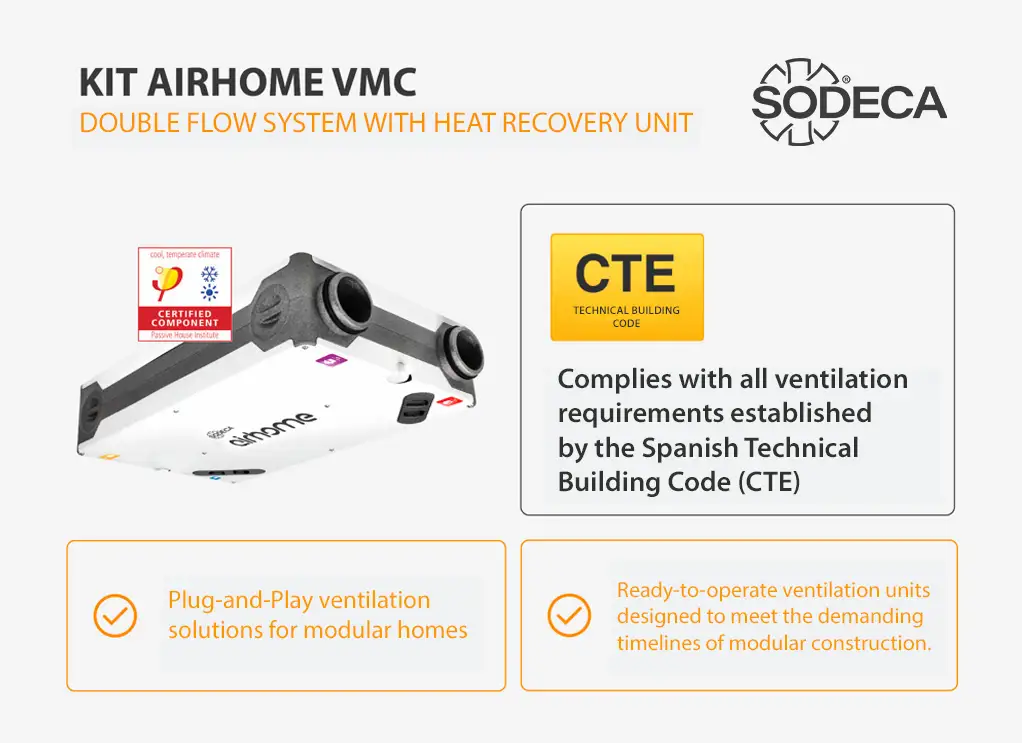
Current construction trends aim to minimise energy consumption and heat losses by designing and building highly airtight and well-insulated homes equipped with high-performance windows and doors.
This high level of airtightness is one of the principles of the Passivhaus standard, where limiting uncontrolled air infiltration is essential to prevent heat losses. As a result, without a suitable ventilation system, indoor pollutants tend to accumulate.
In this context, Mechanical Ventilation with Heat Recovery (MVHR) becomes a fundamental solution for reducing the actual energy demand of residential buildings while improving indoor air quality.
SODECA solutions that enhance energy efficiency
To meet the growing demands for energy efficiency, SODECA develops ventilation solutions that combine high-efficiency technologies with advanced control systems and energy recovery, contributing to improved building energy performance.
Our Technical Department develops equipment designed to achieve maximum efficiency by integrating technologies that reduce energy consumption, minimise energy losses and discharge clean, pollutant-free air to the outside.
At SODECA, we help meet today's energy efficiency standards through ventilation systems designed to improve the energy performance of buildings without compromising indoor air quality.
Our solutions include ventilation and smoke extraction systems with airtight motorised dampers that minimise heat losses, Mechanical Ventilation with Heat Recovery (MVHR) systems that reduce energy demand, and equipment fitted with high-efficiency IE5 motors or EC TECHNOLOGY motors with integrated electronics to optimise electrical consumption.
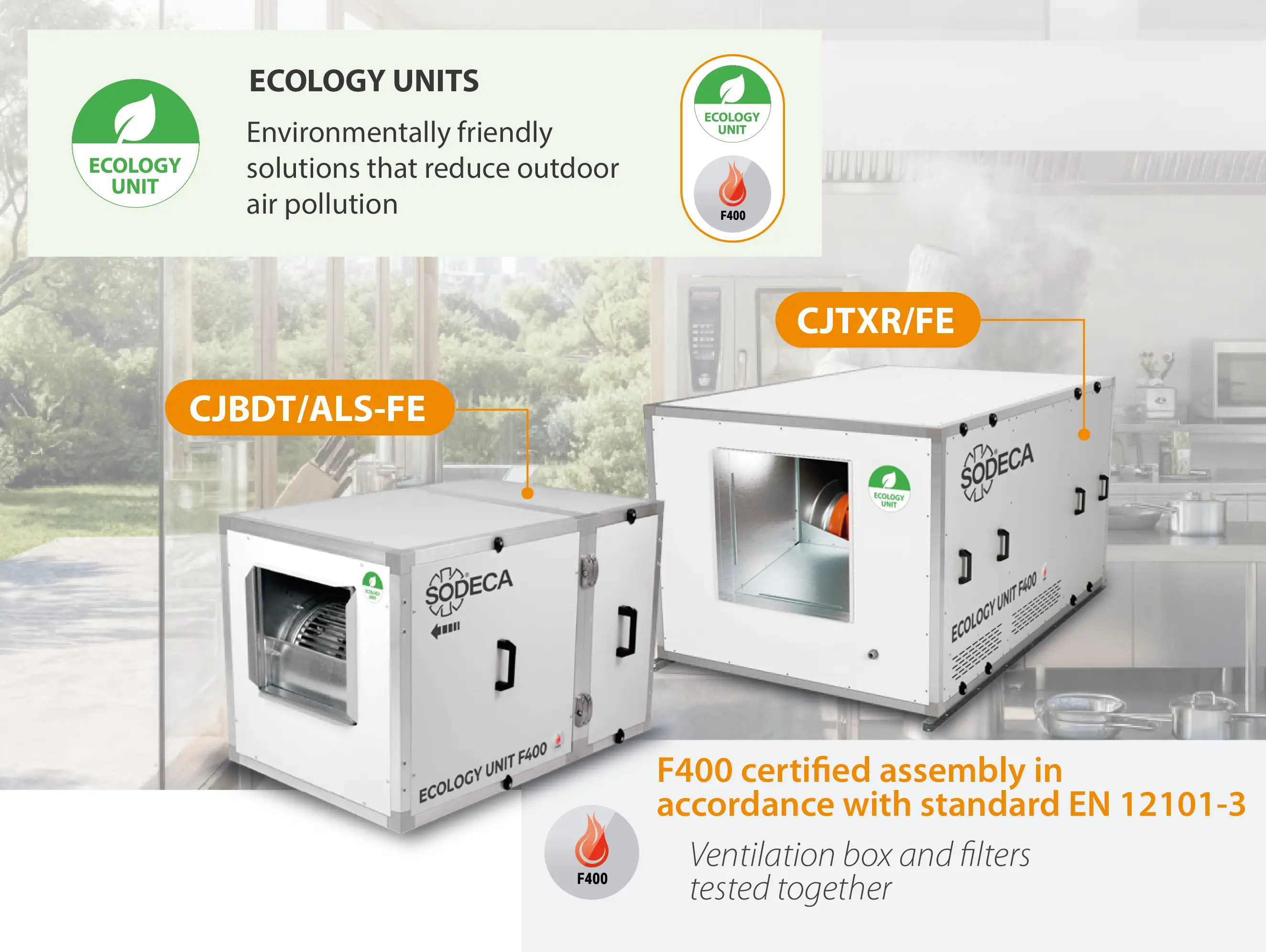
In addition, we develop dedicated solutions that combine energy efficiency with a reduced environmental impact, such as our ECOLOGY UNIT systems for professional kitchens. These units incorporate electrostatic filtration technology that removes most grease, smoke and airborne microparticles before the air is discharged outdoors, improving the quality of the exhaust air.